
What factors affect the durability and maintenance of wedding bands across different metals?
Durability and maintenance of wedding bands are significantly influenced by the metal chosen for their construction. Different metals exhibit varying levels of hardness, resilience, and susceptibility to environmental elements such as moisture and chemicals, all of which can impact a ring’s longevity. Understanding these factors can guide effective care and maintenance practices, ensuring your wedding band remains a cherished symbol of commitment for years to come.
Wedding bands, crafted from different metals, vary in their durability and maintenance needs based primarily on the inherent properties of the chosen metal. These factors can influence how well the ring withstands environmental stress and regular wear, affecting its long-term appearance and condition. Metals such as platinum, gold, palladium, and titanium each possess distinctive characteristics that dictate their hardness, resistance to scratching, and reactions to substances they might encounter daily, like soap or lotions.
Platinum is renowned for its durability and density, making it particularly resistant to wear and tear. Its heavy weight and hard-wearing nature mean that while it may develop a patina over time, this can be polished to restore its shine. Its maintenance involves occasional polishing to maintain its lustre.
Gold is available in several alloys including yellow, white, and rose, crafted by mixing pure gold with other metals. Although gold is less scratch-resistant than platinum, it remains a popular choice for its timeless appeal. The karatage impacts its hardness—the higher the karat, the softer the metal, with 24-carat gold being the purest and softest. Regular polishing can help maintain its appearance.
Palladium, part of the platinum group, shares many properties with platinum but is lighter and more affordable. It maintains its colour over time, unlike white gold that may require rhodium plating. Palladium wedding bands offer a low-maintenance option with infrequent need for polishing.
Titanium offers strength and lightweight properties, making it highly durable and resistant to corrosion and scratching. Though titanium’s hardness makes resizing more complex, its lack of maintenance needs and modern aesthetic appeal to those with active lifestyles.
Beyond the inherent qualities of the metals, other factors such as exposure to harsh chemicals, physical activities, and personal care routines can influence the durability of wedding bands. It is crucial to remove rings during activities that may involve contact with strong chemicals or potential abrasive substances. Regular professional cleaning and inspections by jewellers can help preserve their condition, ensuring that your wedding band remains a lasting symbol of your enduring commitment.
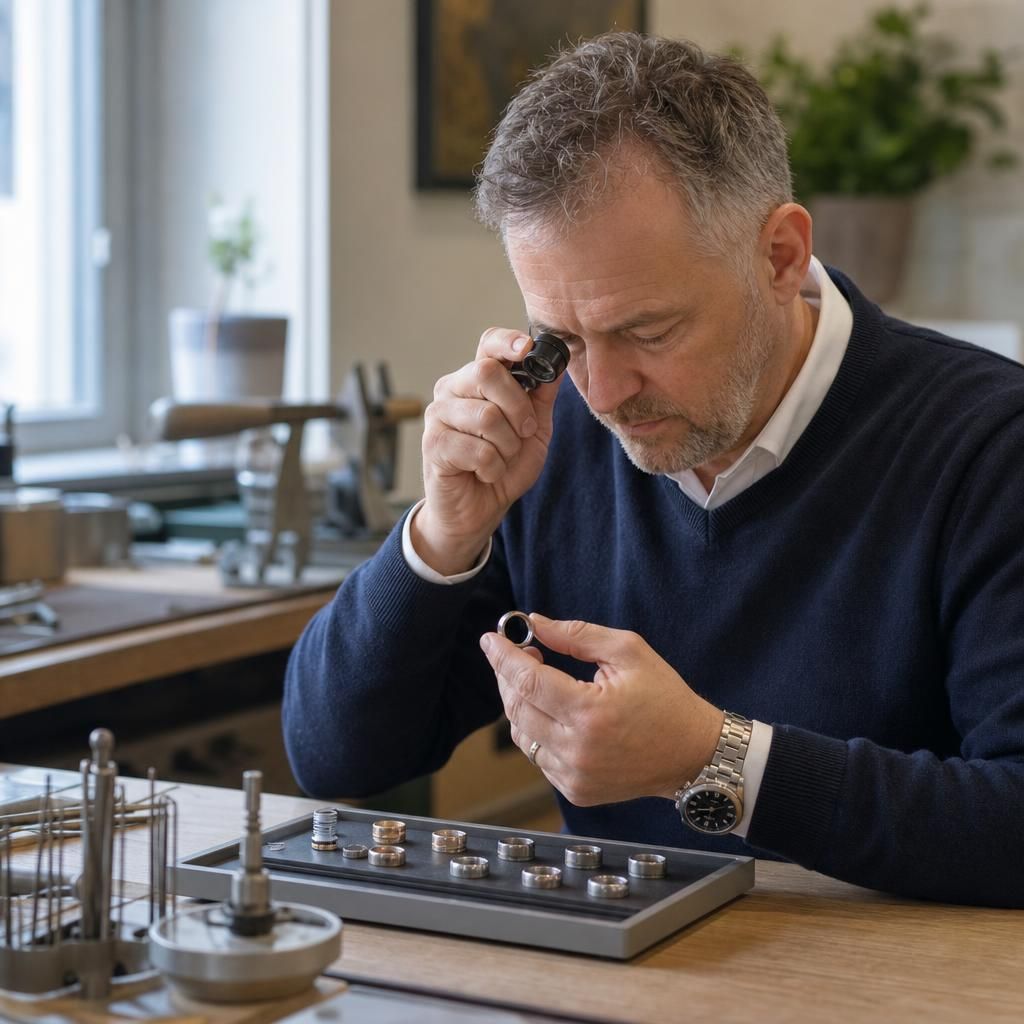
Key considerations when selecting a wedding band’s metal include its resistance to scratches and chemicals. Some metals, such as titanium and platinum, are particularly renowned for their hardness and ability to withstand everyday wear without significant damage. This attribute makes them ideal for those who engage in physical activities or work in environments where rings might otherwise face considerable wear.
In addition to resisting physical abrasion, these metals also exhibit a minimal reaction to household chemicals, which is vital for maintaining both appearance and structural integrity. This means less frequent professional polishing is necessary, allowing couples to enjoy their wedding bands’ natural beauty with minimal intervention.
Understanding these material properties aids in choosing a ring that suits one’s lifestyle while ensuring longevity. It not only helps in preserving the band as an enduring symbol of union but also reflects the thoughtful, informed decisions synonymous with our bespoke jewellery service.