
What are some advantages of choosing alternative metals for women's wedding bands?
Choosing alternative metals for women’s wedding bands offers several advantages, such as increased durability and enhanced versatility in design. These metals often provide unique aesthetics and are more ethically sourced, appealing to those seeking sustainable options without compromising on style or quality.
Choosing alternative metals for women’s wedding bands offers several advantages that go beyond traditional picks like gold and platinum. Modern brides increasingly look towards materials that deliver not only aesthetic appeal but also practicality and ethical sourcing. Alternative metals, such as titanium, tungsten, cobalt, and palladium, provide unique characteristics that appeal to those desiring a distinct style for their special day.
One significant benefit of alternative metals is their durability. Metals such as tungsten and titanium are renowned for their hardness, making them highly resistant to scratches and maintaining their finish for longer periods. This durability is particularly beneficial for those with active lifestyles or in professions where hands are actively engaged, offering peace of mind that the ring will remain as beautiful as the day it was worn.
Beyond resilience, alternative metals also contribute to a broader range of design possibilities. Lightweight metals like titanium allow for larger, more intricate designs without the weight traditionally associated with precious metals. This enables more elaborate and creative expressions, catering to varying personal styles while ensuring comfort and wearability.
Ethical sourcing is becoming increasingly important for consumers today. Many alternative metals are more abundantly available and often sourced responsibly, reducing the environmental and ethical concerns associated with precious metal mining. For those committed to sustainable practices, choosing alternative metals is a step toward a more ethical choice without sacrificing elegance.
Another consideration is the potential for hypoallergenic properties. Metals such as titanium and palladium are less likely to cause allergic reactions compared to more traditional options, making these alternatives suitable for individuals with sensitive skin. This ensures that wearers can enjoy their wedding bands without discomfort.
Finally, alternative metals are typically more cost-effective than traditional precious metals, providing an opportunity to allocate budget towards other aspects of the wedding or to opt for additional embellishments within the design itself. Overall, choosing from alternative metals presents a versatile, durable, and ethically sound option for wedding bands, aligning with contemporary values and styles.
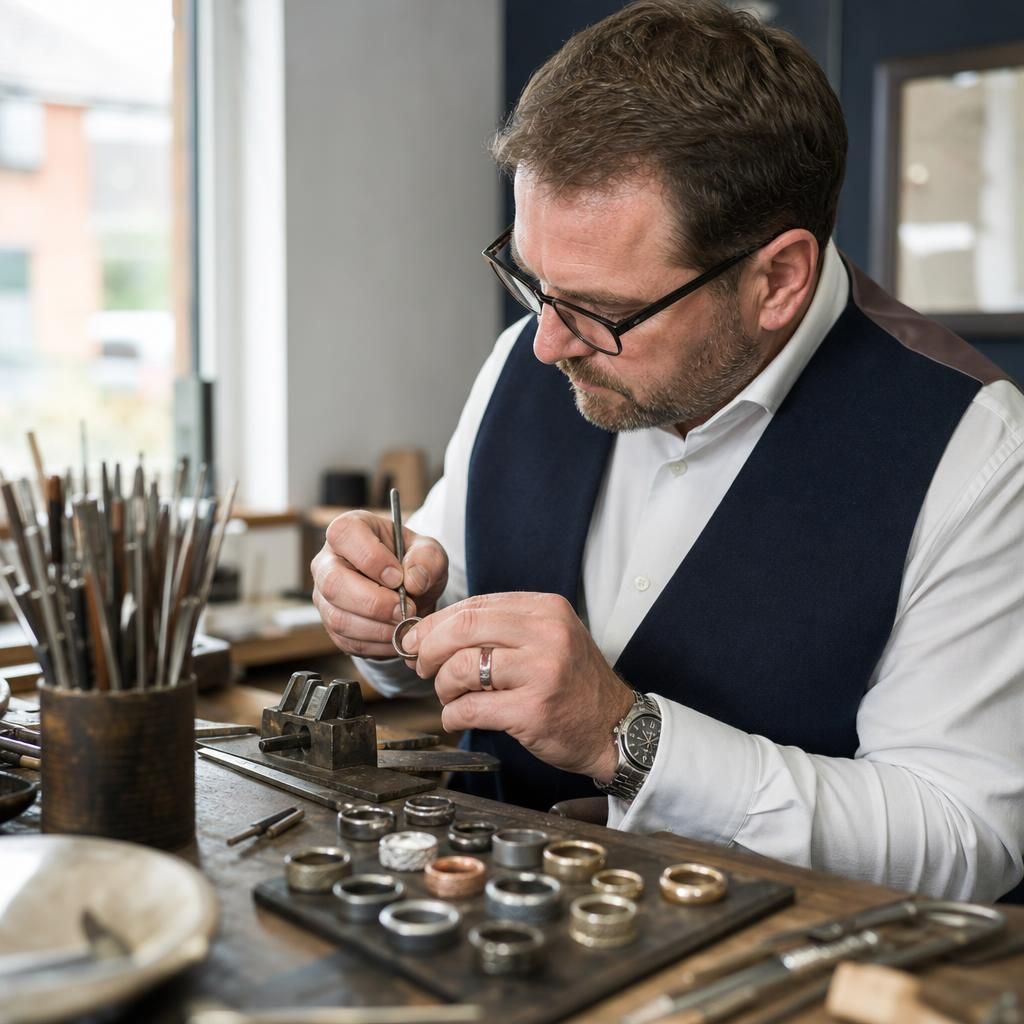
The distinct aesthetic appeal of alternative metals lies in their ability to offer diverse finishes and colours that are often not found in traditional metals like gold and platinum. For example, titanium and tungsten are available in a range of hues, from soft charcoal greys to deep blacks, which can be further enhanced with finishes such as brushed, matte, or polished. This variety in visual appearance allows for a highly personalised look that can be tailored to match individual preferences or to complement the textures and tones of an existing jewellery collection. By choosing alternative metals, customers have the opportunity to create a wedding band that truly stands out, reflecting personal style and values in a way that traditional choices may not provide.
Explore Alternative Metals for Your Women’s Wedding Band
For advice on choosing an alternative metal for your women’s wedding band, speak to Steven Charles Quance for a personalised consultation. We can help you compare durability, appearance, skin sensitivity and long-term care before selecting the right design.